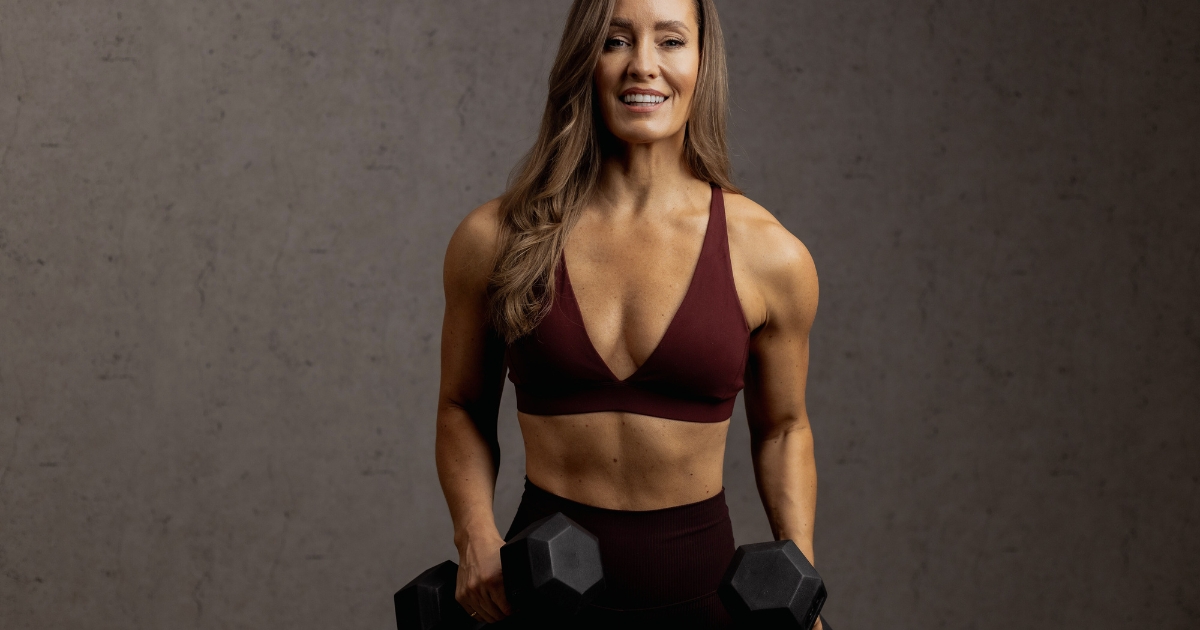
Gaining weight while strength training: Here’s why it’s normal
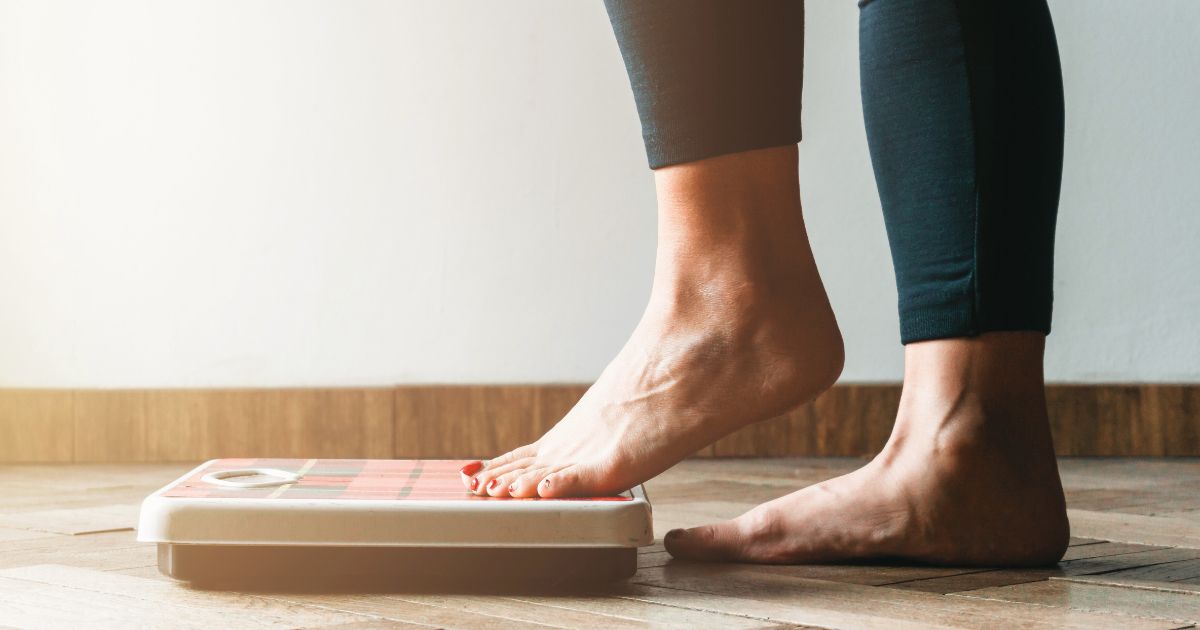
Why you might be gaining weight when you start strength training (and why that’s not a bad thing!)
One of the most confusing and frustrating moments for many women happens shortly after they start strength training.
You feel stronger.
Your workouts are going well.
Your habits are improving.
And then you step on the scale and see the number go up.
This experience is incredibly common, and it does not mean strength training is not working. In fact, in many cases, it means the opposite.
Let’s break down why this happens, why the scale is a poor measure of progress on its own, and what to focus on instead.
Why the scale can go up when you start strength training
1. Muscle weighs more than fat (but takes up less space)
When you begin strength training, your body starts building lean muscle tissue. Muscle is denser than fat, meaning it takes up less room but weighs more by volume.
This can result in:
• A stable or slightly higher scale weight
• A leaner appearance
• Changes in how clothes fit
This process is known as body recomposition, losing fat while gaining muscle, and it often does not show up clearly on the scale.
2. Increased water retention
Strength training causes small amounts of muscle damage, which is a normal and necessary part of adaptation. During the repair process, your body retains water to help heal and rebuild tissue.
This temporary water retention can:
• Increase scale weight by a few pounds
• Fluctuate day to day
• Disappear as your body adapts
Water weight is not fat gain, but the scale does not know the difference.
3. Glycogen storage increases
As you train more consistently, your muscles store more glycogen, the fuel they use during workouts. Glycogen binds to water in the muscle, which again can raise scale weight slightly.
This is a positive adaptation that supports performance and recovery.
Why the scale alone tells an incomplete story
The scale only measures total body weight. It does not tell you:
• How much muscle you have gained
• How much fat you have lost
• How strong or capable you are
• How your body is changing visually
Focusing only on the scale can be discouraging and misleading, especially during the first weeks or months of strength training.
For many women, this is where doubt creeps in, even when progress is happening.
Better ways to measure real progress
1. How your clothes fit
One of the earliest and most reliable indicators of progress is how clothing feels. Many women notice looser waistbands, better fit through hips and thighs or a more comfortable overall fit. These changes often happen before the scale moves.
2. Strength and performance
Progress in the gym or at home matters. Signs of improvement include the ability to lift heavier weights, completing more reps and feeling more controlled and confident during movements. Strength gains are a clear sign your body is adapting positively.
3. Progress photos
Photos taken every 4–6 weeks under similar conditions can reveal changes the mirror and scale miss. Muscle tone, posture, and overall shape often improve gradually and consistently.
4. Energy and recovery
Pay attention to how you feel. You may begin to notice you have more energy throughout the day, less soreness between workouts and better recovery and sleep. These are meaningful indicators of improved fitness and health.
5. Body measurements
Using a tape measure to track waist, hips, thighs, or arms can provide a clearer picture of fat loss and body recomposition than weight alone.
Why patience matters with strength training
Strength training is a long-term investment in your body and your health. Unlike rapid weight-loss approaches that focus on short-term scale changes, strength training helps build a stronger, more resilient body that supports metabolic health, improves bone density, and enhances joint stability over time. Just as importantly, it builds confidence, not only in how your body looks, but in what it’s capable of doing. When the focus shifts away from chasing quick changes on the scale and toward building strength and consistency, progress becomes more sustainable and far more meaningful in the long run.
How structured programs support the process
Random workouts often lead to confusion and inconsistent results. Structured programs guide your body through progressive challenges while allowing time for adaptation and recovery.
Inside the Heather Robertson App, training programs are designed to support strength gains, body recomposition, and consistency so progress continues even when the scale fluctuates.
The bottom line
Gaining weight when you start strength training does not mean you are doing something wrong. In many cases, it means your body is adapting in positive ways.
The scale is just one data point, and often the least helpful one during strength-focused training.
By shifting your focus to strength, measurements, photos, and how you feel, you gain a much clearer and more encouraging picture of real progress.