December 3, 2025
Strength training for women over thirty: Benefits, science, results
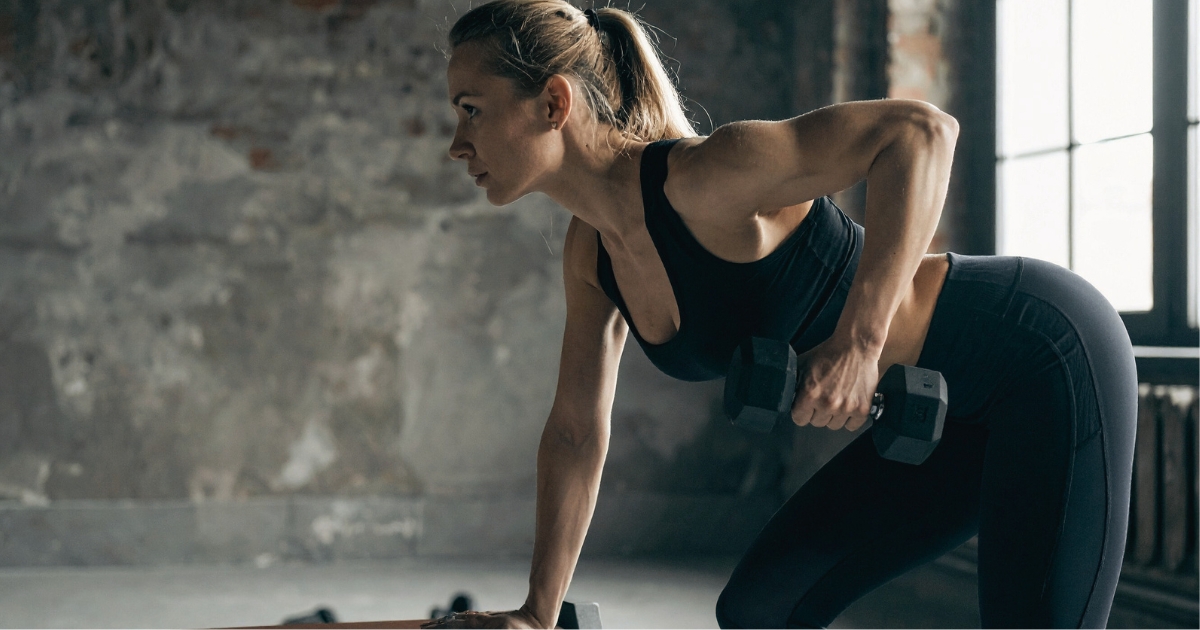
Why strength training should be non-negotiable for women over thirty
For many women, their 30s and 40s are when workouts start to feel different. What used to “work” no longer delivers the same results, energy levels fluctuate more, and recovery can take longer.
This is exactly why strength training becomes more important, not less, as we get older.
What changes after thirty?
Beginning in our early 30s, women naturally start to lose muscle mass each year if it isn’t actively maintained through strength training. This process happens gradually, which is why it often goes unnoticed at first, but over time it can have a meaningful impact on how the body functions and feels. As muscle mass declines, metabolism and energy levels can begin to dip, making it easier to feel fatigued and harder to maintain body composition. Reduced muscle also affects bone density and joint health, increasing the importance of strength and stability as we age.
Over the long term, this loss of strength can influence daily movement, making everyday tasks feel more challenging than they need to be. Prioritizing muscle maintenance through regular strength training helps counteract these changes and supports long-term health and independence.
Muscle is metabolically active tissue, meaning it helps your body use energy efficiently. When muscle declines, so does metabolic support. Strength training directly counters this process by preserving and building lean muscle.
Strength training does more than change how you look
While many people associate lifting weights with aesthetics, the real benefits go much deeper
• Improved posture and balance
• Stronger bones and connective tissue
• Better blood sugar regulation
• Increased confidence and independence
Research consistently shows that resistance training improves quality of life and functional strength as women age, helping everyday tasks feel easier and safer.
Why you do not need a gym
One of the biggest misconceptions is that effective strength training requires heavy barbells or a gym membership. In reality, progressive overload, gradually increasing challenge over time, can be achieved with dumbbells, resistance bands, tempo changes, and structured programming. At-home strength workouts are not a compromise. When done consistently and progressively, they can deliver real results.
How often should women strength train?
Most women benefit from 3–4 strength sessions per week, focusing on full-body or upper/lower splits. Recovery matters just as much as effort so making sure your rest and recovery days are a part of your program is key.
The bottom line
Strength training is one of the most powerful tools women have to support their health, energy, and confidence long-term. It is not about lifting the heaviest weight possible. It is about building a body that feels strong, capable, and resilient.
Programs inside the Heather Robertson app are structured to guide you through progressive strength training without guesswork, making it easier to stay consistent and see results. Choose from a variety of programs and get started today–it's never too late to start building strength!